Potato Philosophy
Tips, Tricks, and Tools for Growing Spuds
This is our established digitized potato cultivation philosophy. It is an ongoing body of knowledge formulated by our experiences and the literature that informs our expertise. If you have any questions or anything to share please contact us. Cheers! And good luck potato farming.
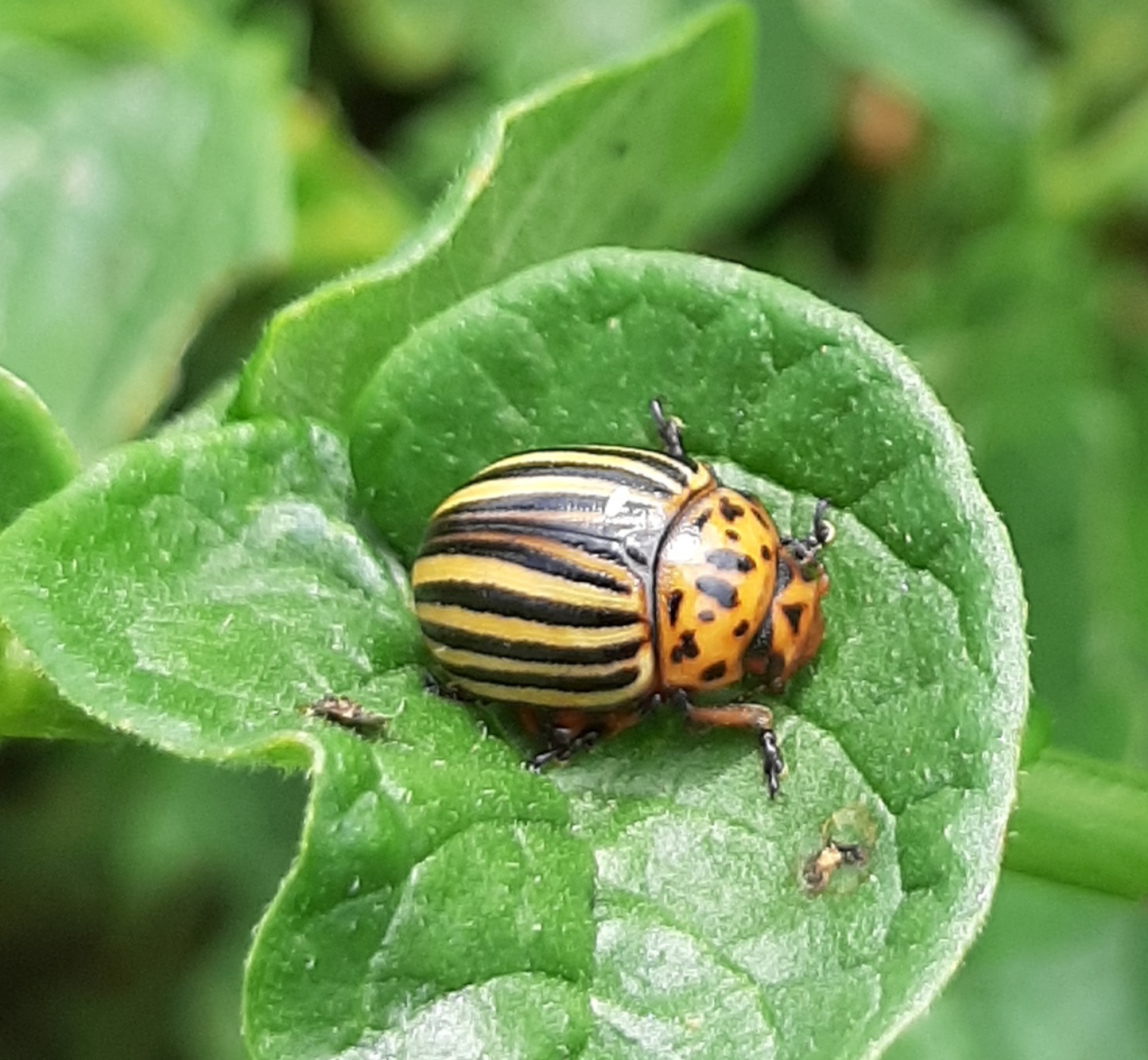
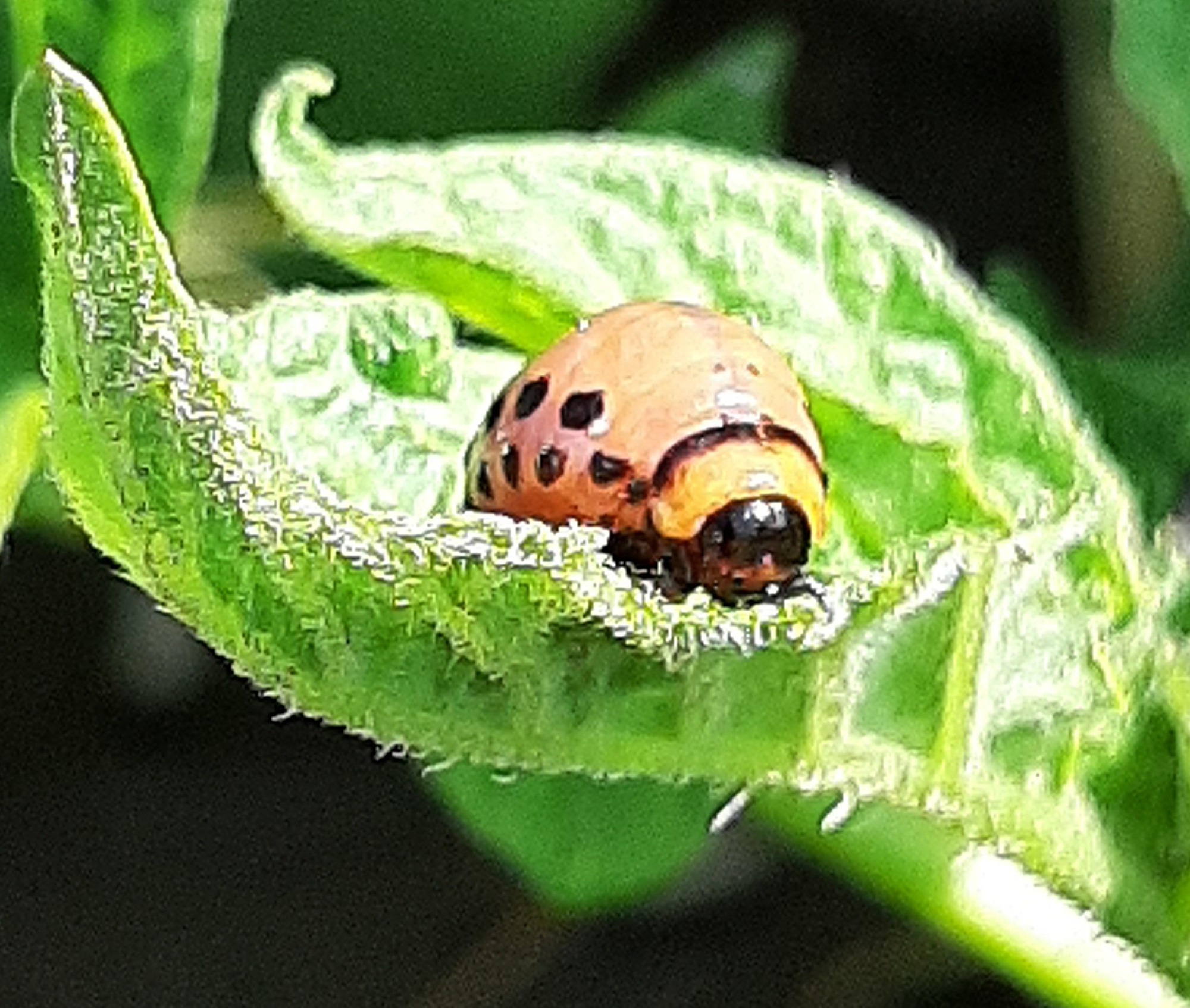
TLDR: Plant our tubers ASAP. Or soonish. Do NOT cut these tubers. Plant spuds under 6 inches of soil. 3 inches below the soil line, with an additional 3 inches formed in a hill above the seed piece. Add the hill after the plant peeps through the ground. Seed spacing suggestion of 1 foot. Row spacing suggestion of 3 feet. Temperature: anything below or equal to 28 degrees is catastrophic for spuds. Hot days and cold nights is preferential. Do NOT overwater. Do NOT over apply Nitrogen—especially early. If it’s humid and cloudy, watch out for late blight. Colorado Potato Beetle is another nasty garden pest. Only the tubers are edible—leaves, stems, fruits, flowers, sprouts, roots...everything else is TOXIC. Do not ingest green tubers either...Solanine is the toxic glycoalkaloid produced by many plants in the Nightshade family. If you have any questions, maybe I'll get to them below. If not, my email is Jpotatoseed@gmail.com. Good luck, potato farming.
STARCH FACTORY METAPHOR
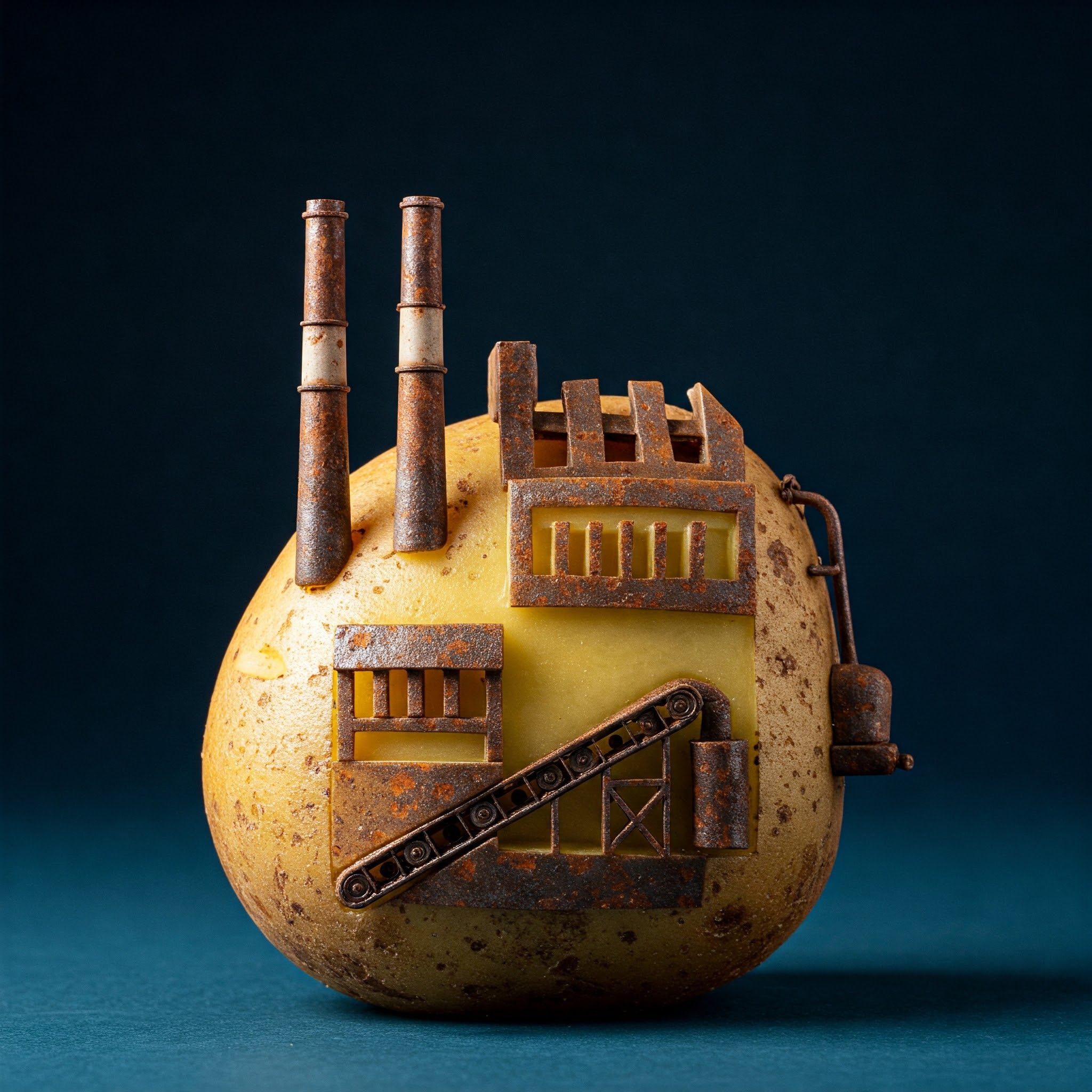
We think it might be helpful to think of the potato as a type of starch factory. The factory takes inputs (water, nutrients, and carbon dioxide) and uses energy (sunlight) to turn them into a product (potato tubers that are primarily starch), while releasing oxygen and water as byproducts. The keys to making this “factory” productive is to build the factory as quickly as possible, keep it running efficiently and as long as possible, and then package the product for shipment when the factory shuts down.
HISTORY OF POTATO
Indigenous peoples in the Nanchoc Valley and the Lake Titicaca Plateau in Peru and Bolvia first domesticated the potato over 8000 years ago. The Incan cultivated numerous cultivars adapted for specific harsh, high-altitude conditions near the Andes. They even developed chuño, which is a preserved potato product made by freeze drying frost resistant varieties of the tuber.
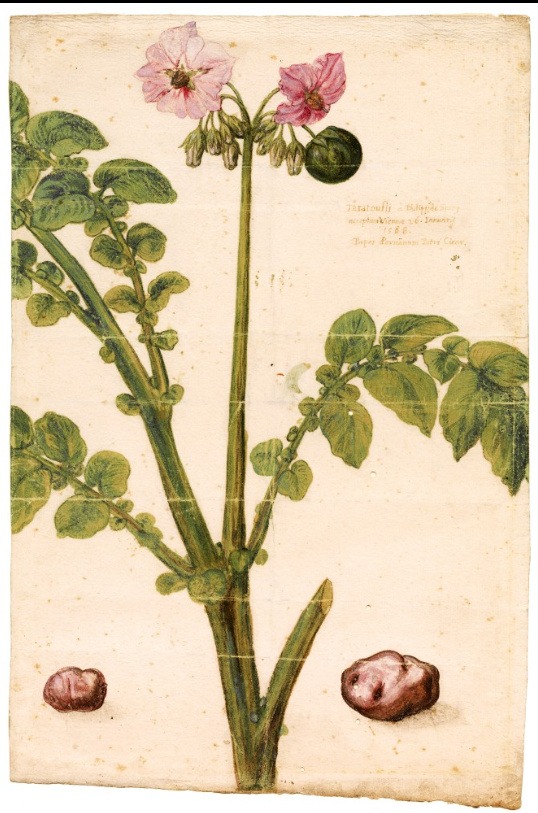
Spanish explorers disseminated the potato tuber to sub-Saharan Africa in 1538 and into Spain circa 1570. At first, Europeans were skeptical of potatoes; they resembled other nightshades which were known to be poisonous and were cautious of vegetables that originated from underground. Potatoes were known for their beauty as an ornamental flowering plant and not well known for their caloric dense consumption.
European leaders realized that the potato presented a more nutrient dense and efficient per acre return than grains like wheat and rye and they were promulgated everywhere. Potatoes helped fuel the Industrial Revolution by providing cheap, high energy fuel for citizens that was easy to transport from the field into the cities. However, the monocropping practices, cultural attitudes, and absentee landlordism let a late blight epidemic wreak havoc on Europe and especially Ireland.
In the modern era, potatoes are a global caloric powerhouse. We have learned to optimize new cultivars to use less fertilizer, water, and time to produce marketable tubers. We have developed new and interesting ways to consume potatoes and potato products. In 2008, the United Nations declared it the year of the potato. And in 2026, China and India have become the global leaders in producing potatoes in the modern day.
ANATOMY AND PHYSIOLOGY OF POTATO
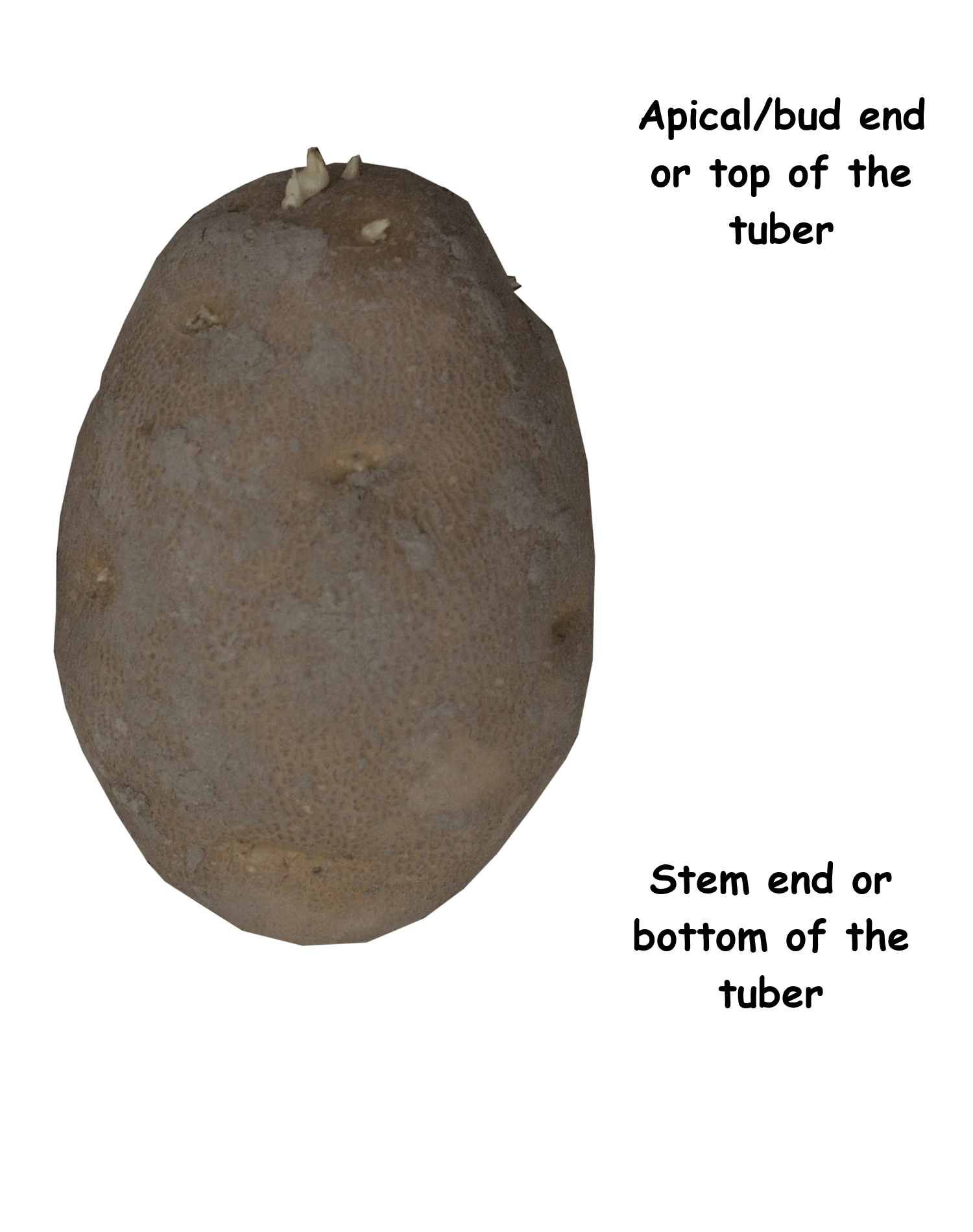
Tubers have a distinct top and bottom. We refer to the bottom as the stem end where the potato was once attached to the mother plant via the stolon. This bottom end is where the dormancy hormones of the potato are stored. The bud or apical end is easy to identify when the potato starts to sprout. The top or bud end of the spud sprouts first and more heavily compared to the bottom. Different cultivars have different sprouts, distribution of eyes, shapes, sizes, and colors; but again, all share the same structure and morphology.
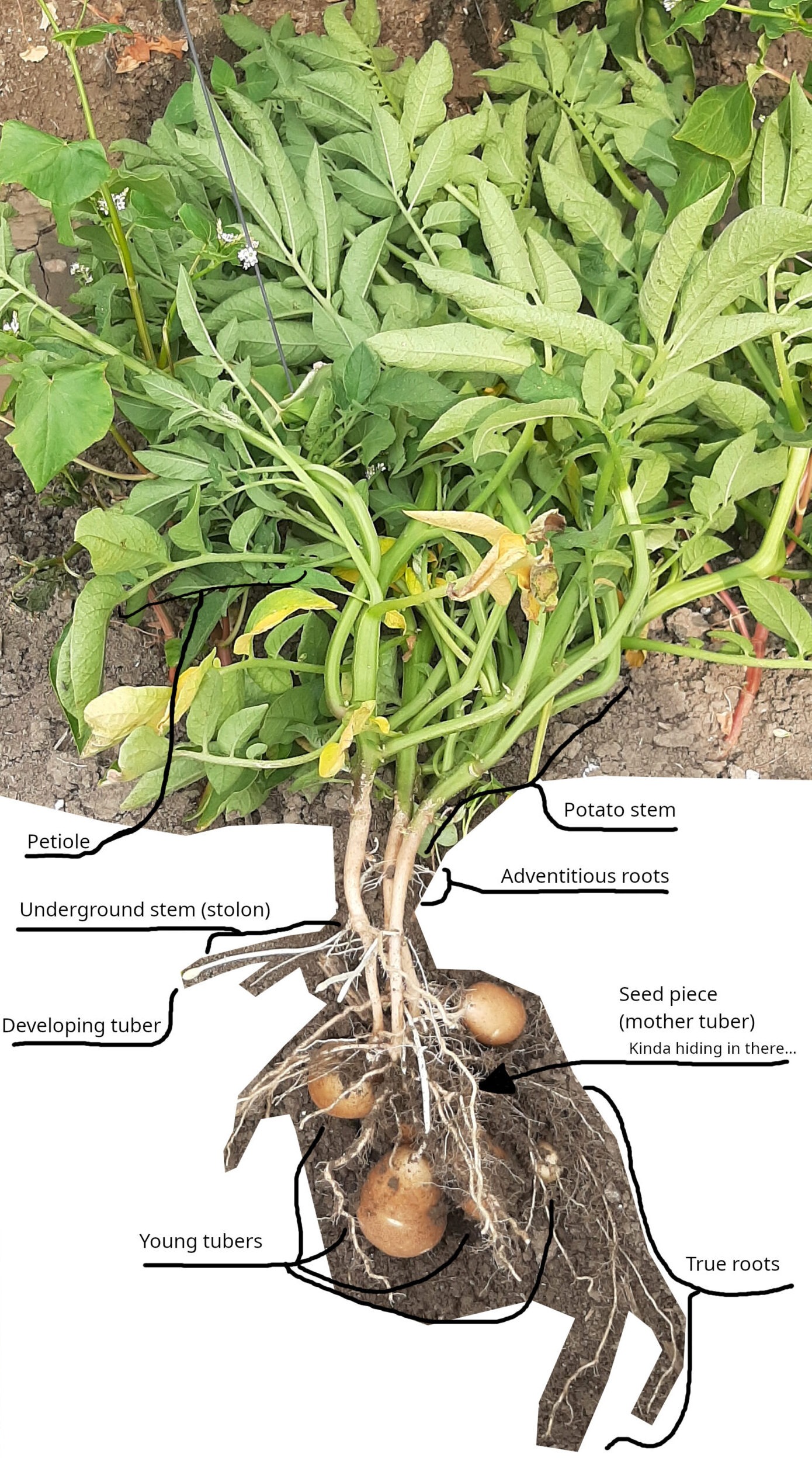
The two most important parts to the starch factory are the plumbing and the lights. Botanically speaking... a potato tuber is a modified underground stem. Potatoes have lenticels; small pores for gas exchange (oxygen and CO2) regulation within the tuber. Potatoes have eyes or nodes which are undeveloped leaf buds. These eyes sprout and elongate towards light as the plant forms. Each point where a leaf attaches to a stem in also known as a node. Each attachment point is a single compound leaf. A terminal leaflet exists on the end of the petiole—which is the leaf support structure for attaching paired leaflets.
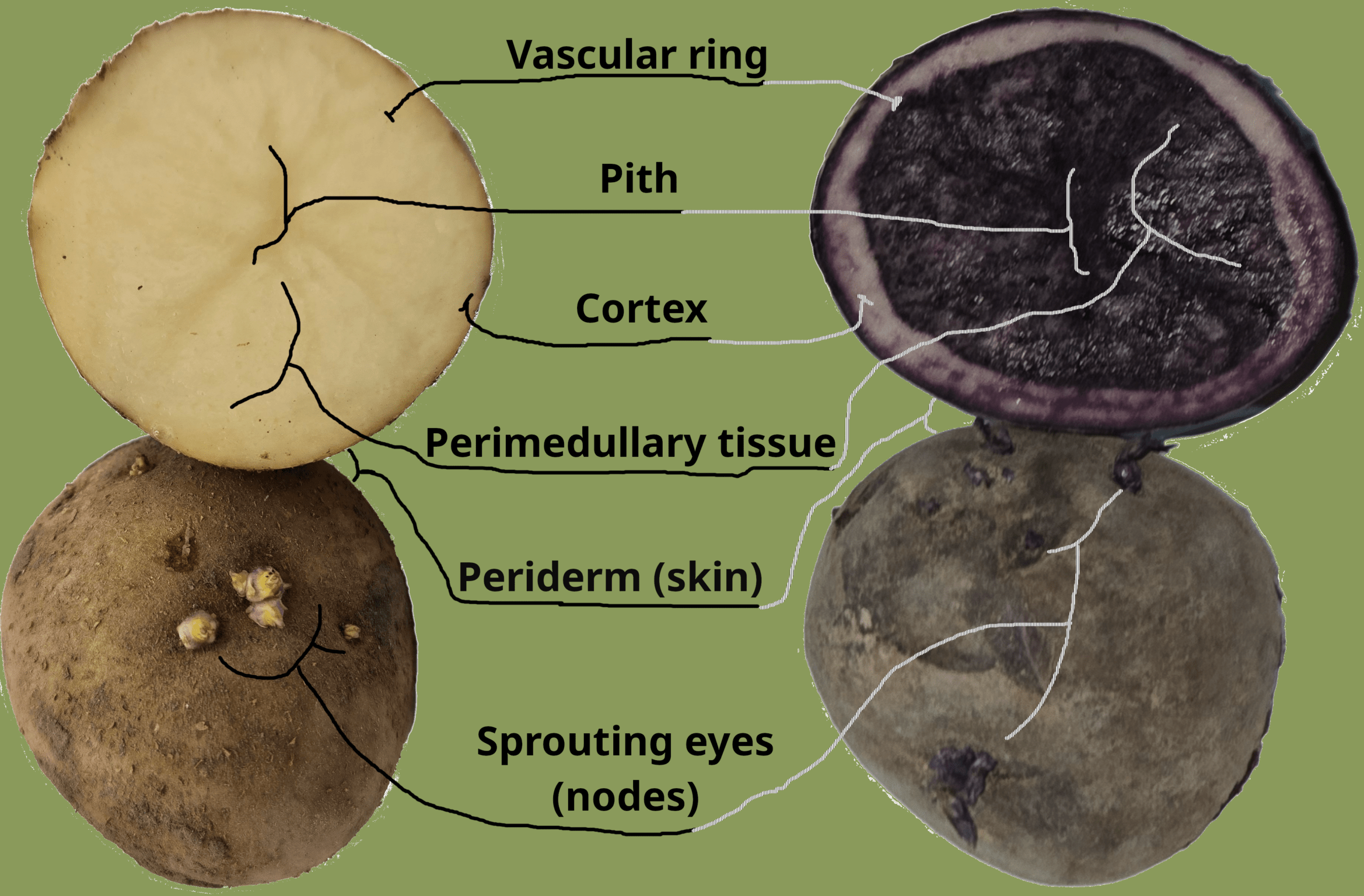
We advocate for single drop seed to thwart disease and give a plant its best chance to start. The internal components of the potato tuber are sometimes the first infected by diseases. The factory blueprints within every seed tuber is the same. A periderm, pith, cortex, perimedullary tissues, a vascular ring these are all unscathed when using single drop seed.
STAGES OF POTATO GROWTH
There are five notable stages in the growth of a potato plant: sprout development, plant establishment, tuber initiation, tuber bulking, and tuber maturation.
Sprout development—the first stage—is dependent on the dormancy of the seed tuber. This is controlled by plant hormones, influenced by temperature, time, and the internal hormonal sequestration at the stem end of the tuber. When tubers break dormancy under optimal environmental conditions, they sprout from the eyes and rooting initiates.
At JPS, we understand exactly how storage and handling impact the length of dormancy and the physiological age of the tuber. Stress, temperature fluctuations, and rough handling lead to rotten tubers, "sleepy potatoes" and uneven stands.
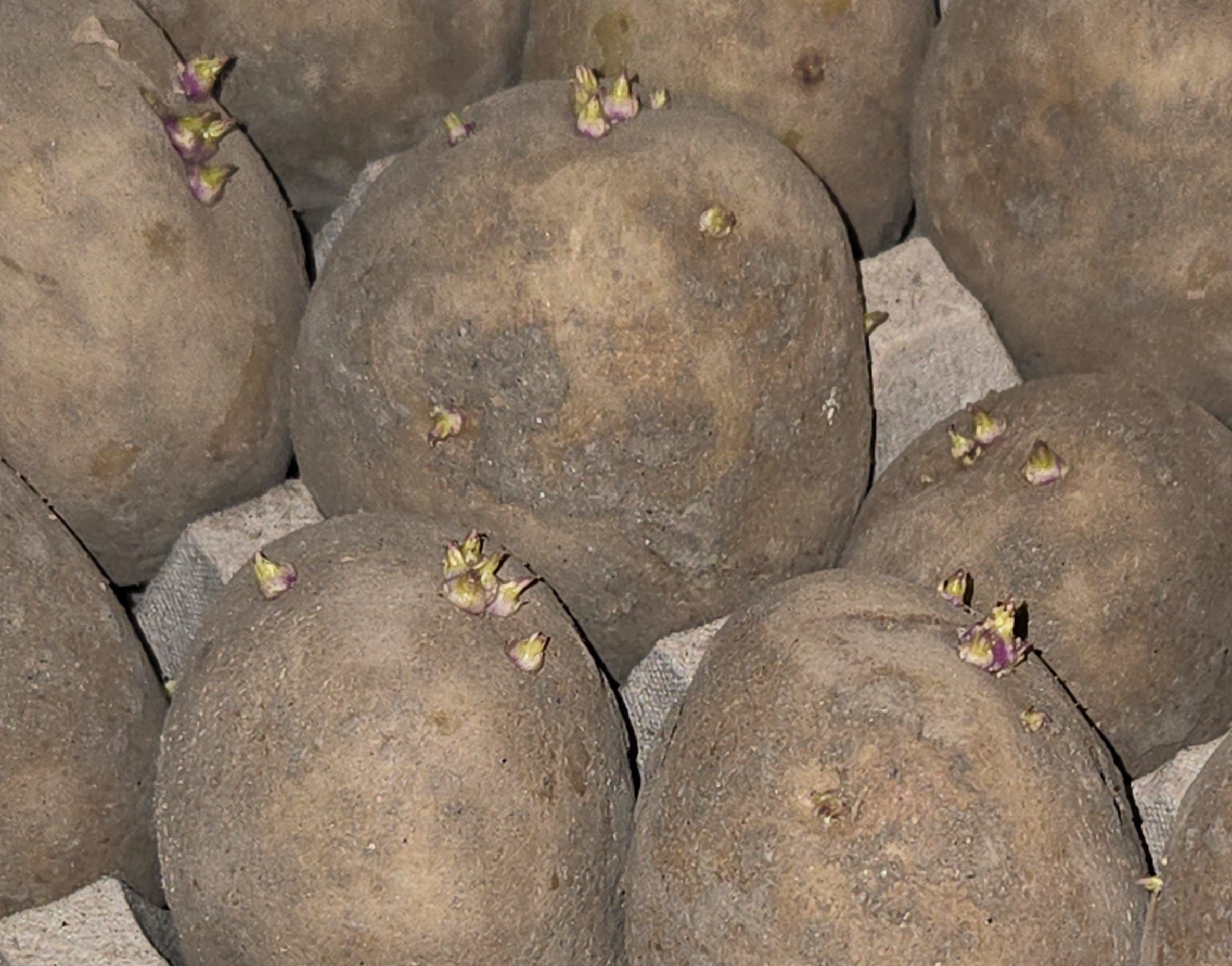
The second stage of growth is plant establishment. This phase is marked by the onset of photosynthesis and the rapid development of the root systems and stolons. A healthy seed tuber is critical during this stage as well as soil temperature. The optimal soil temperature for sprouting is 64 degrees Fahrenheit. Above 82 degrees and the potato plant will produce more haulm at the expense of the root system.
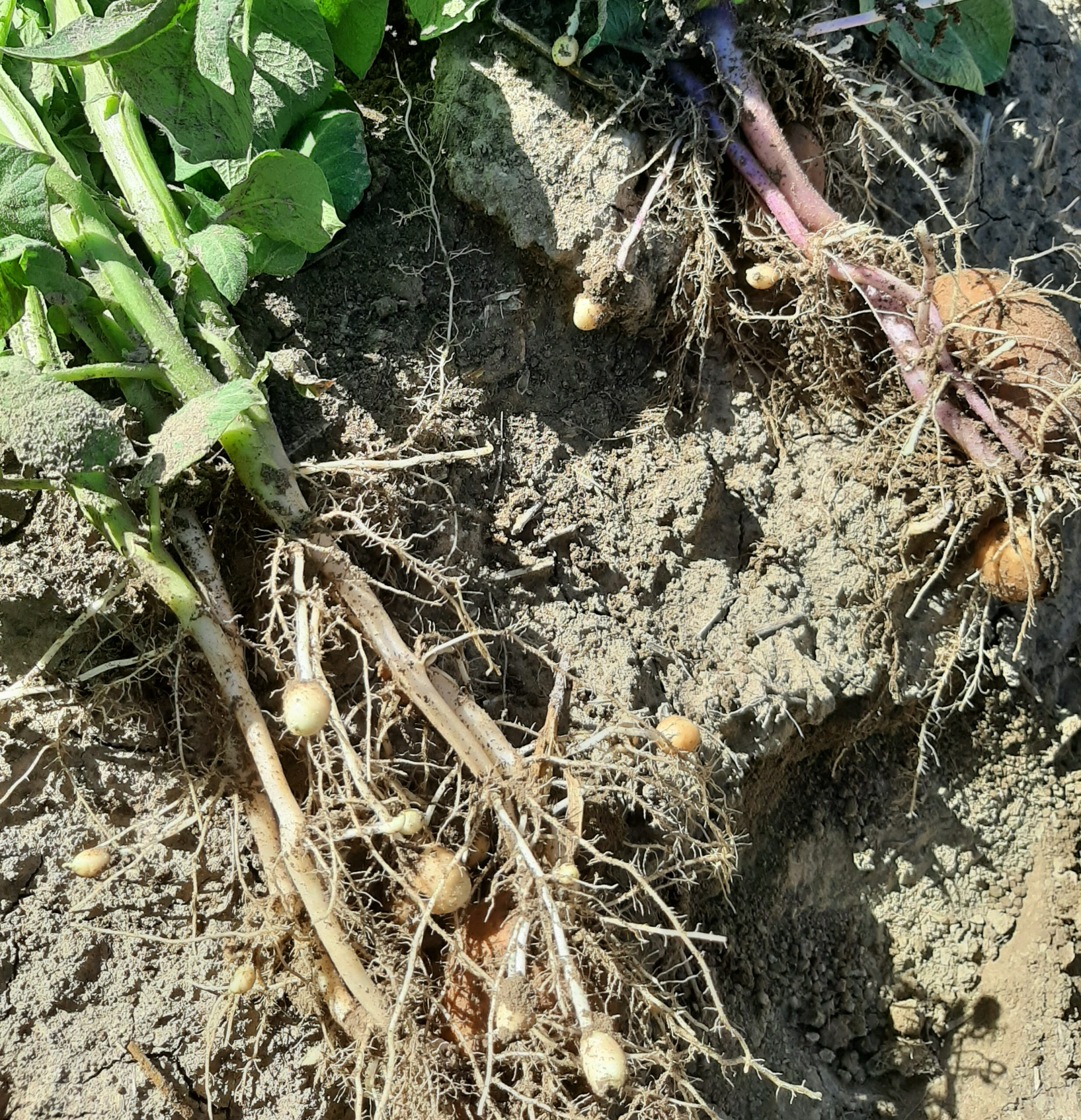
Tuber initiation is the third stage. During this stage the stolons of the plant begin to “hook” and bulk/swell. Most potato farmers use flowering as an indication of tuber initiation. Water stress and disease competition will oftentimes prematurely trigger flowering and tuber growth. Temperature is still critical during this stage. Too much heat during the nighttime or excessive nitrogen results in an uptick of a plant growth hormone known as gibberellic acid (GA), which delays tuber growth and encourages vine development.
Tuber initiation is the third stage. During this stage the stolons of the plant begin to “hook” and bulk/swell. Most potato farmers use flowering as an indication of tuber initiation. Water stress and disease competition will oftentimes prematurely trigger flowering and tuber growth. Temperature is still critical during this stage. Too much heat during the nighttime or excessive nitrogen results in an uptick of a plant growth hormone known as gibberellic acid (GA), which delays tuber growth and encourages vine development.
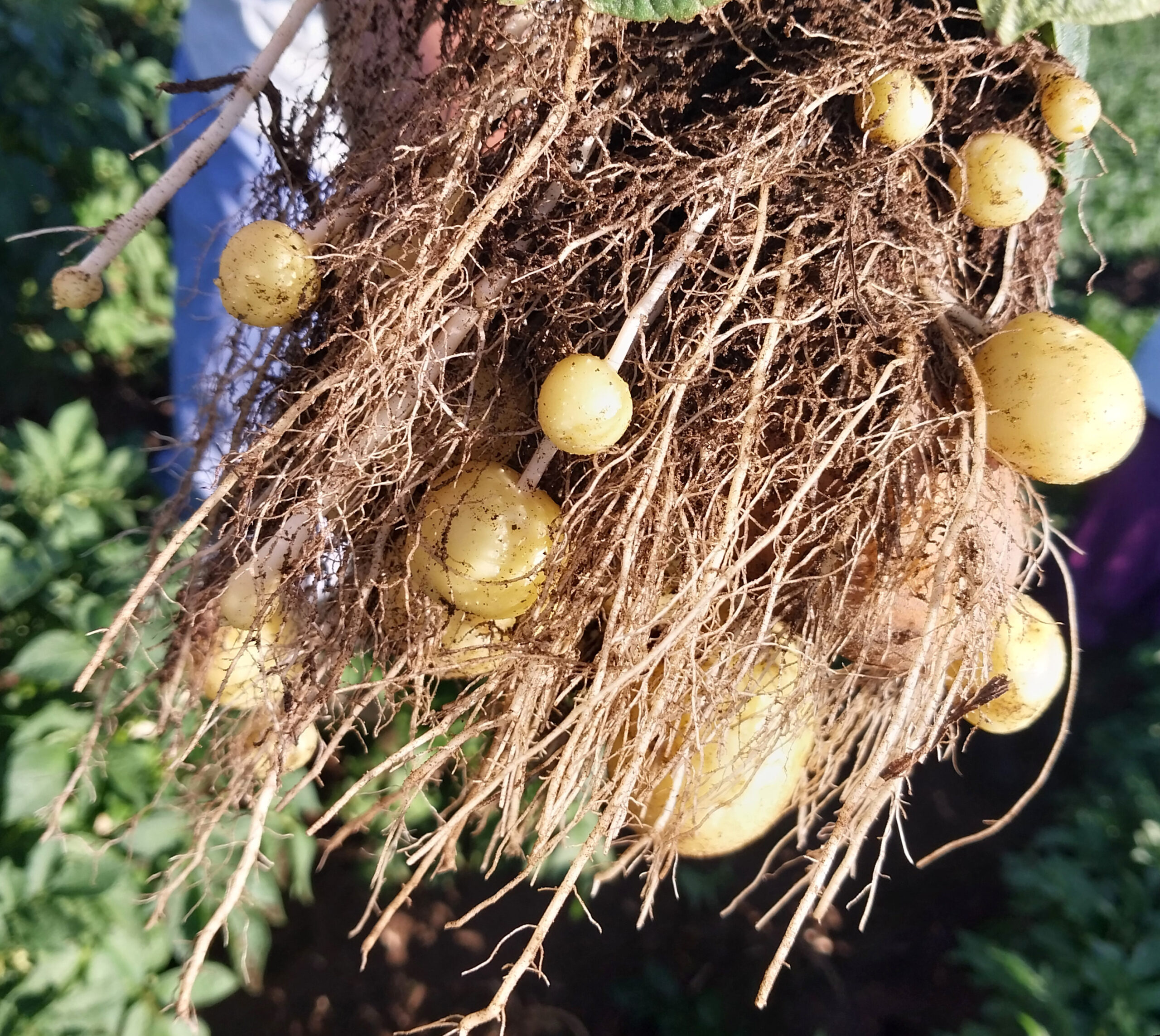
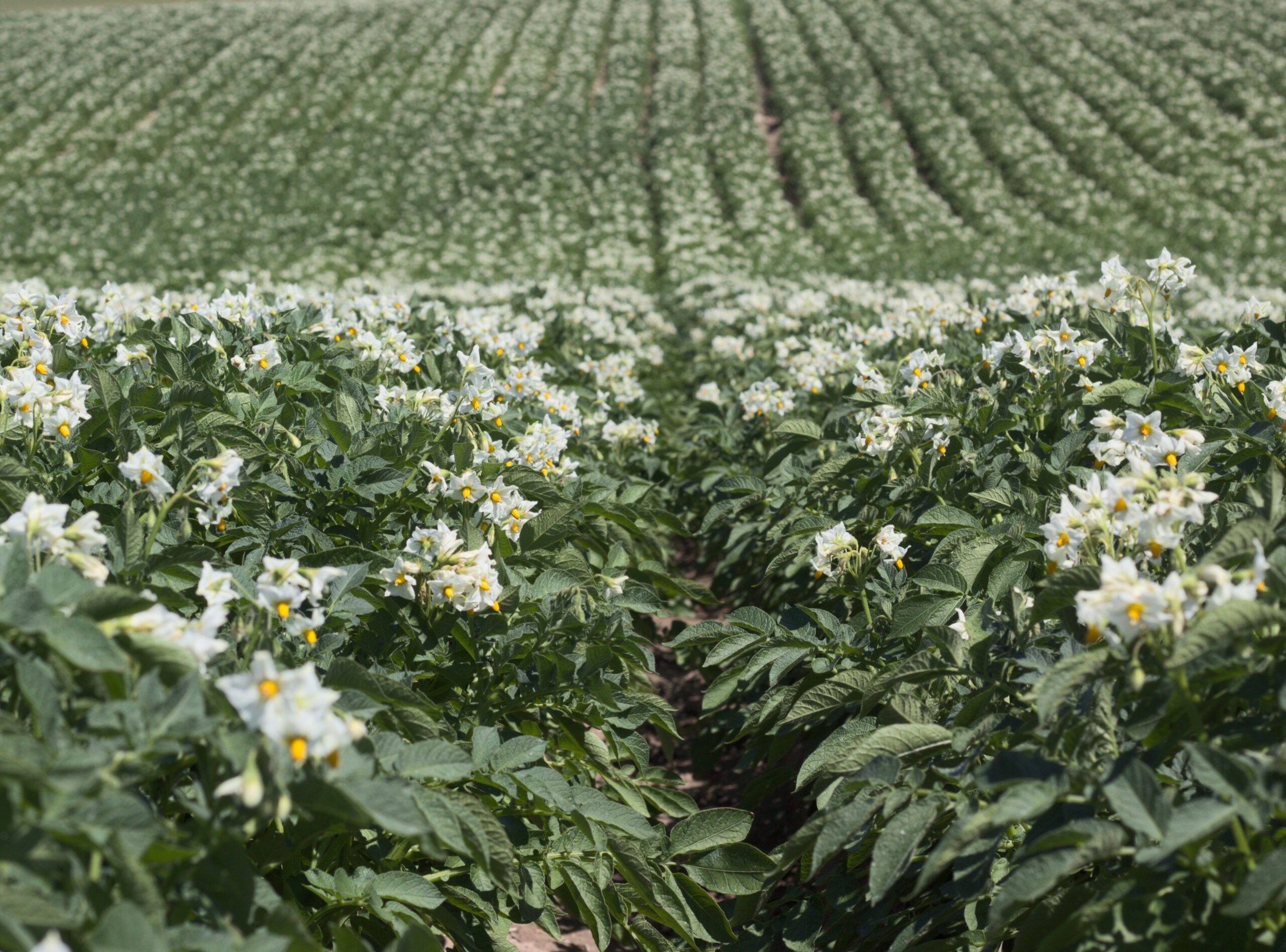
The fourth stage of growth is called tuber bulking. Tuber cells expand and accumulate carbohydrates, nutrients, and water. This stage is critical for yield and quality and is impacted by things like: temperature, fertilization, the physiological age of the seed, plant spacing, planting dates, irrigation, and pest management.
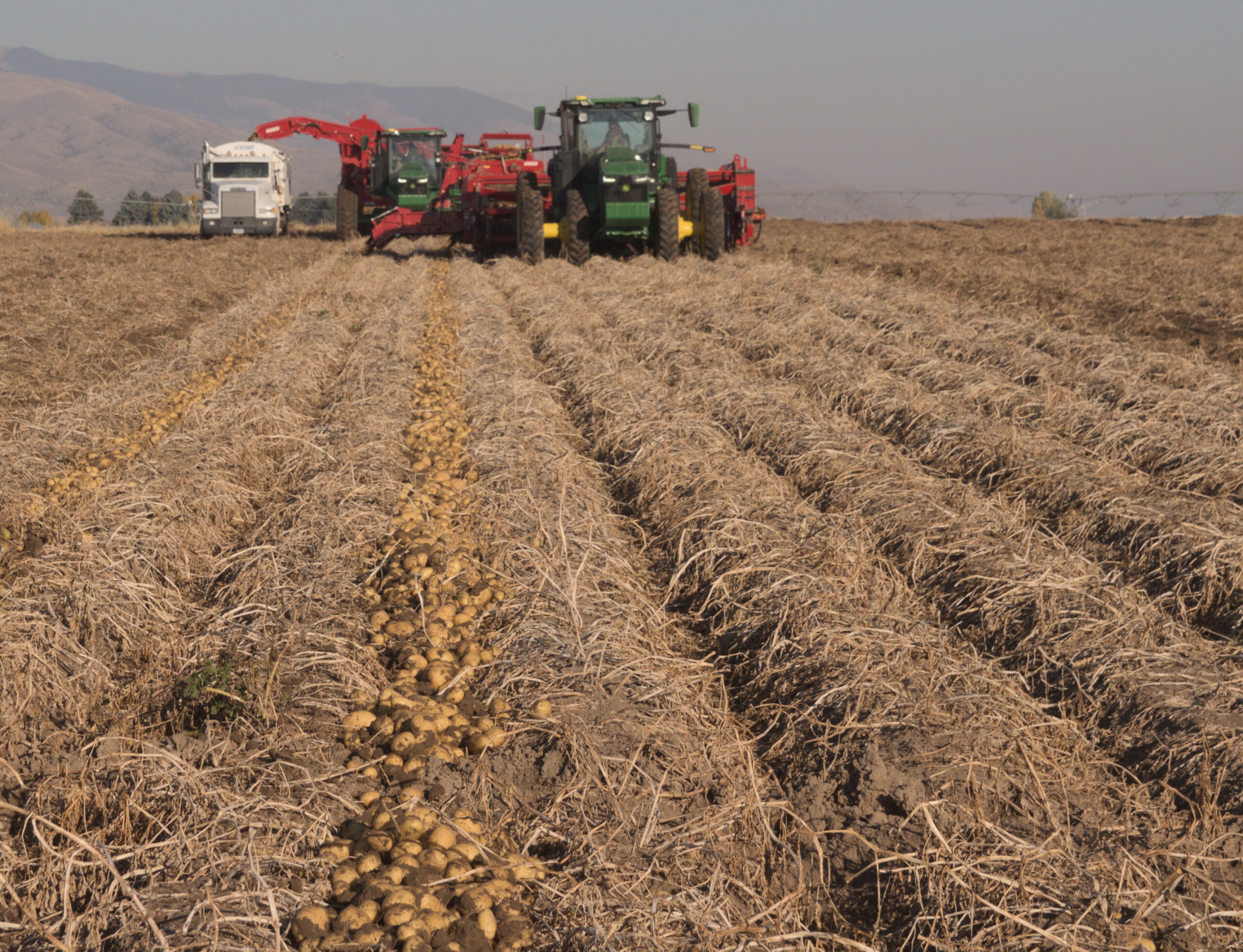
Tuber maturation is the final stage of potato growth. During this stage the potato vines begin to die back, the plant undergoes senescence, photosynthesis decreases, and the factory begins to shut down and package the new tubers for the wintertime by thickening and hardening the skin. The ideal temperature for skin set is 70-75 degrees Fahrenheit—but 50 to 85 degrees are tolerable. The final stage of growth is the most important for those that are intended to store their harvested potatoes.
SEED CERTIFICATION
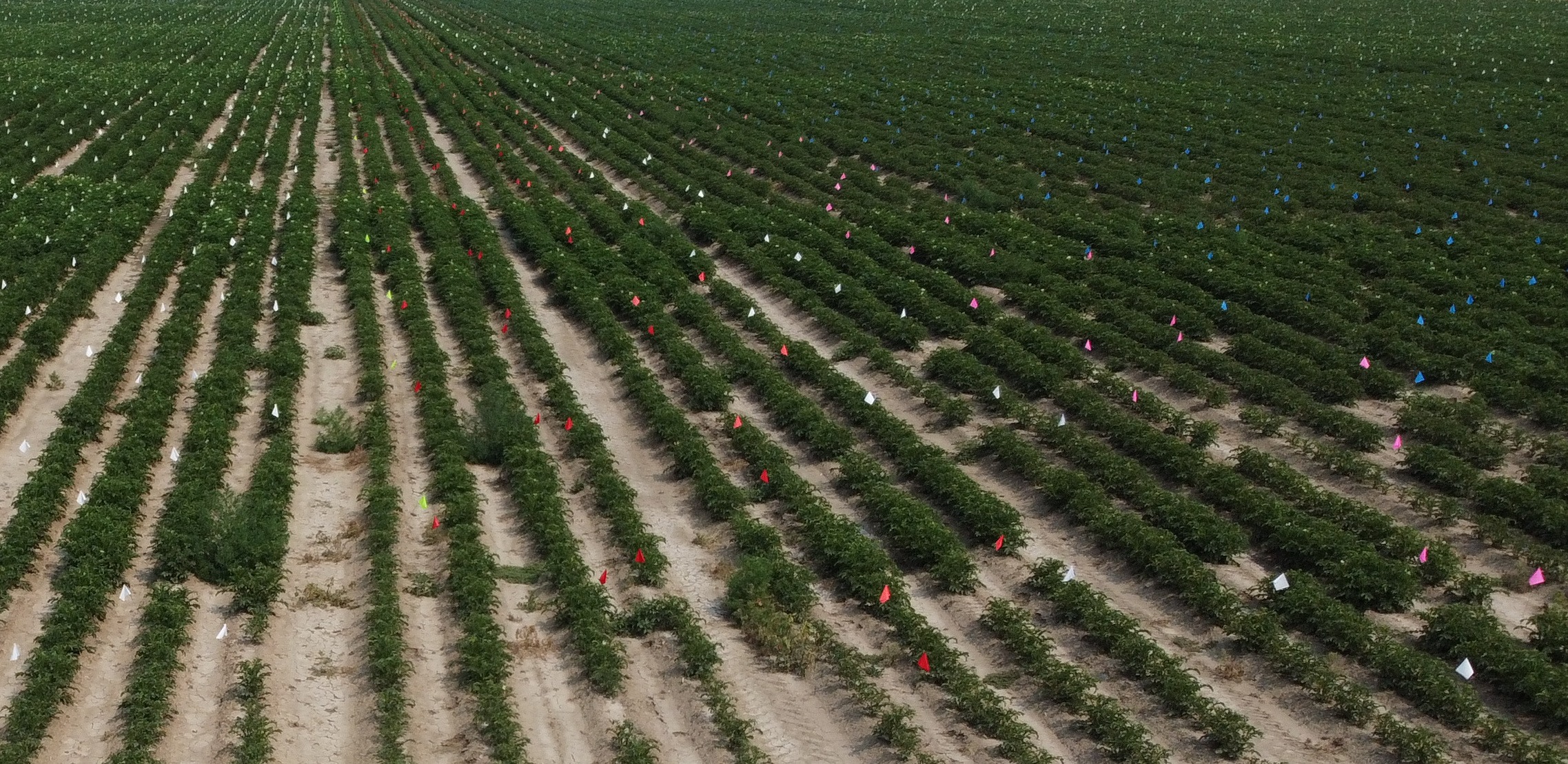
In the United States, seed certification—the “potato police”—is done at the state level. It is ultimately an attempt at a quality assurance program. Certified seed does not necessarily guarantee that the seed potatoes are disease free, instead it means the seed was produced, inspected, graded, and handled according to the regulations of the state the potatoes were grown in.
Generally certified seed potatoes in the USA undergo an application process, summer inspections, post harvest inspections, a winter grow out, and a shipping point inspection. All the States are different in terms of what is allowed to be brought in and out of the State, the nomenclature, and the disease tolerances. On balance, the goal is the same—produce high-quality, uniform seed potatoes, free of seed borne viral, fungal, and bacterial diseases.
Nevertheless, seed potato production is increasingly interconnected between the States and the Provinces of Canada and it is not all the same. It comes down to the grower and geography. Some of the finest seed potatoes exist in places most people aren’t familiar with: the Nebraskan panhandle, Pemberton Valley in British Columbia, the Upper Peninsula in Michigan, and Grace, Idaho. We have seen seed potatoes from all over North America and think we have found some reliable powerhouses in the high altitude Big Sky State of Montana.
DISEASE AND INTEGRATED PEST MANAGEMENT
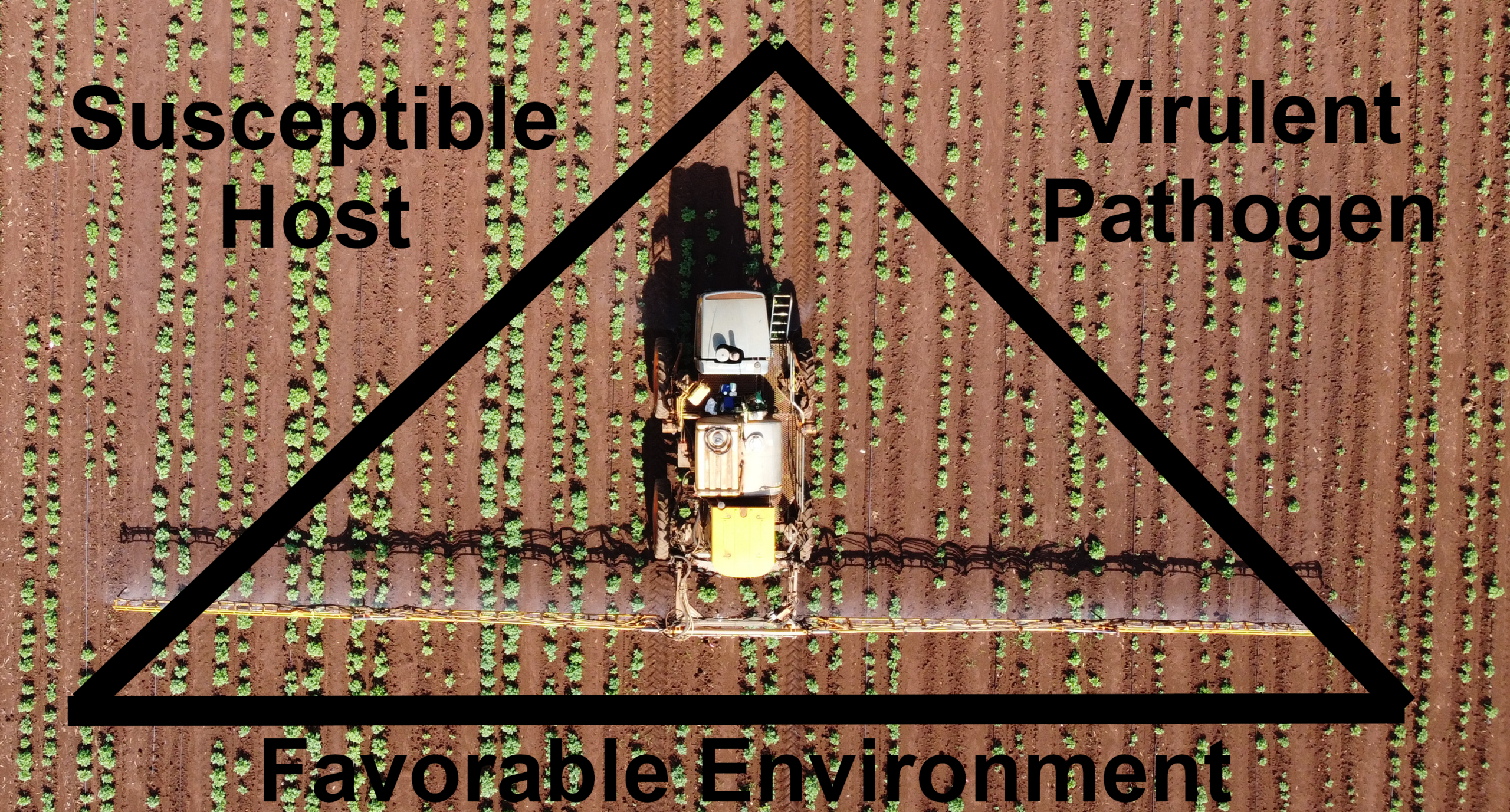
Anyone interested in plant pathology should familiarize themselves with the plant disease triangle. This fundamental concept explains the relationship between three factors required for disease to occur: a susceptible host, a virulent pathogen, and a favorable environment.
This triangle is particularly meaningful when considering potato production and single drop tubers. One of the most effective ways to break the "pathogen" and “environment” side of the triangle is by planting single-drop tubers. While pathogens include bacteria, viruses, and fungi, many require a wound to enter the host plant. By planting whole seed potatoes rather than cut pieces, you eliminate the primary entry point for many soil-borne diseases. Furthermore, while some pathogens enter via wounds, others (like viruses) utilize vectors such as nematodes, mechanical action, or insects. Understanding these transmission methods is key to defending your crop at every corner of the triangle and conceptualizing general disease management strategies.
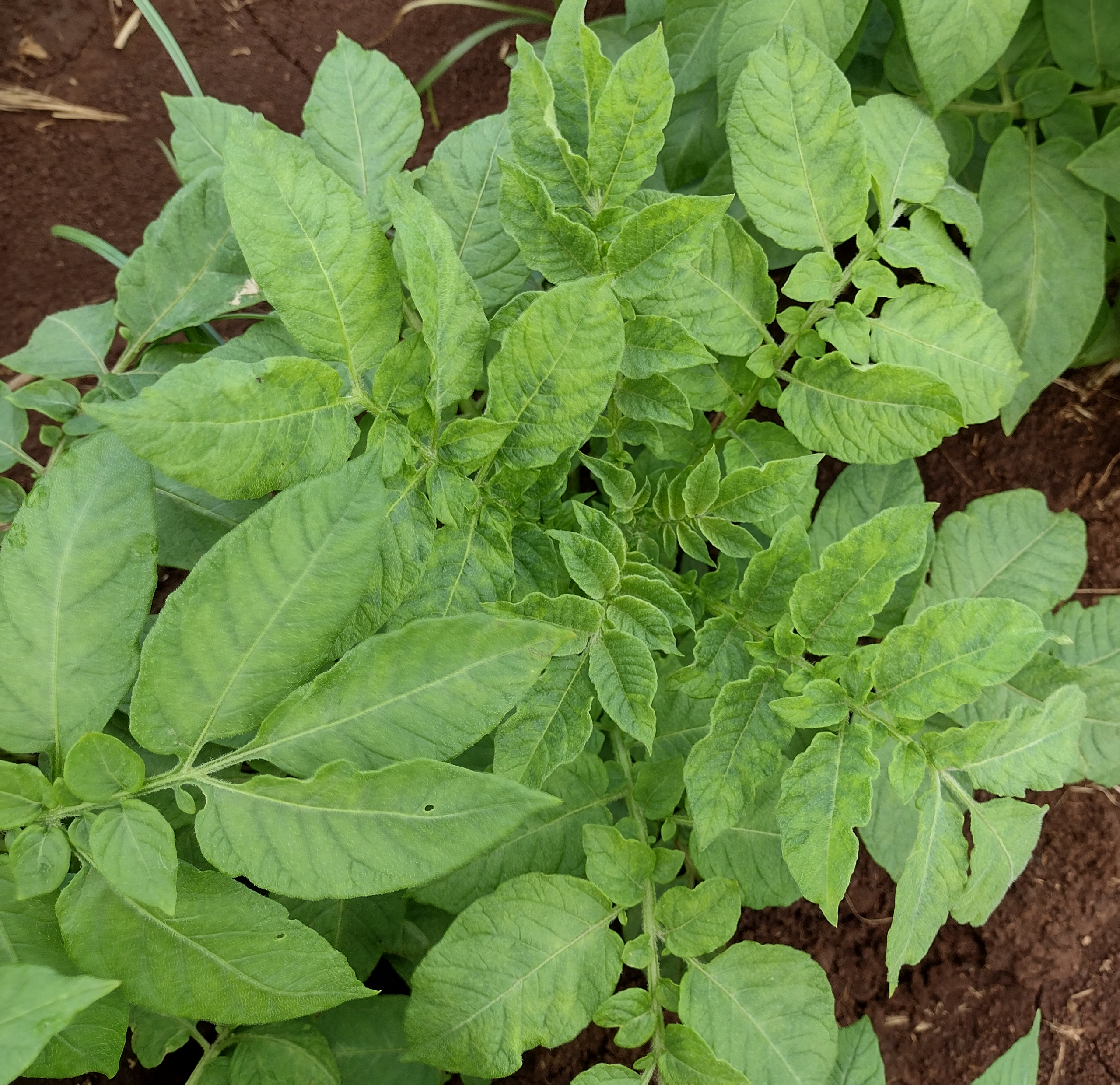
We subscribe to the philosophy of IPM or Integrated Pest Management when cultivating potatoes. IPM is a “common sense” sustainable risk management approach to agriculture, that prioritizes action thresholds, disease identification/monitoring, prevention, and only relying on chemistry when absolutely necessary. IPM helps us unpack all the tools or disease management methodologies at the disposal of a potato farmer, such as: exclusion, eradication, protection and resistance.
Exclusion: Keeping pathogens out of the field (using certified, disease-free seed).
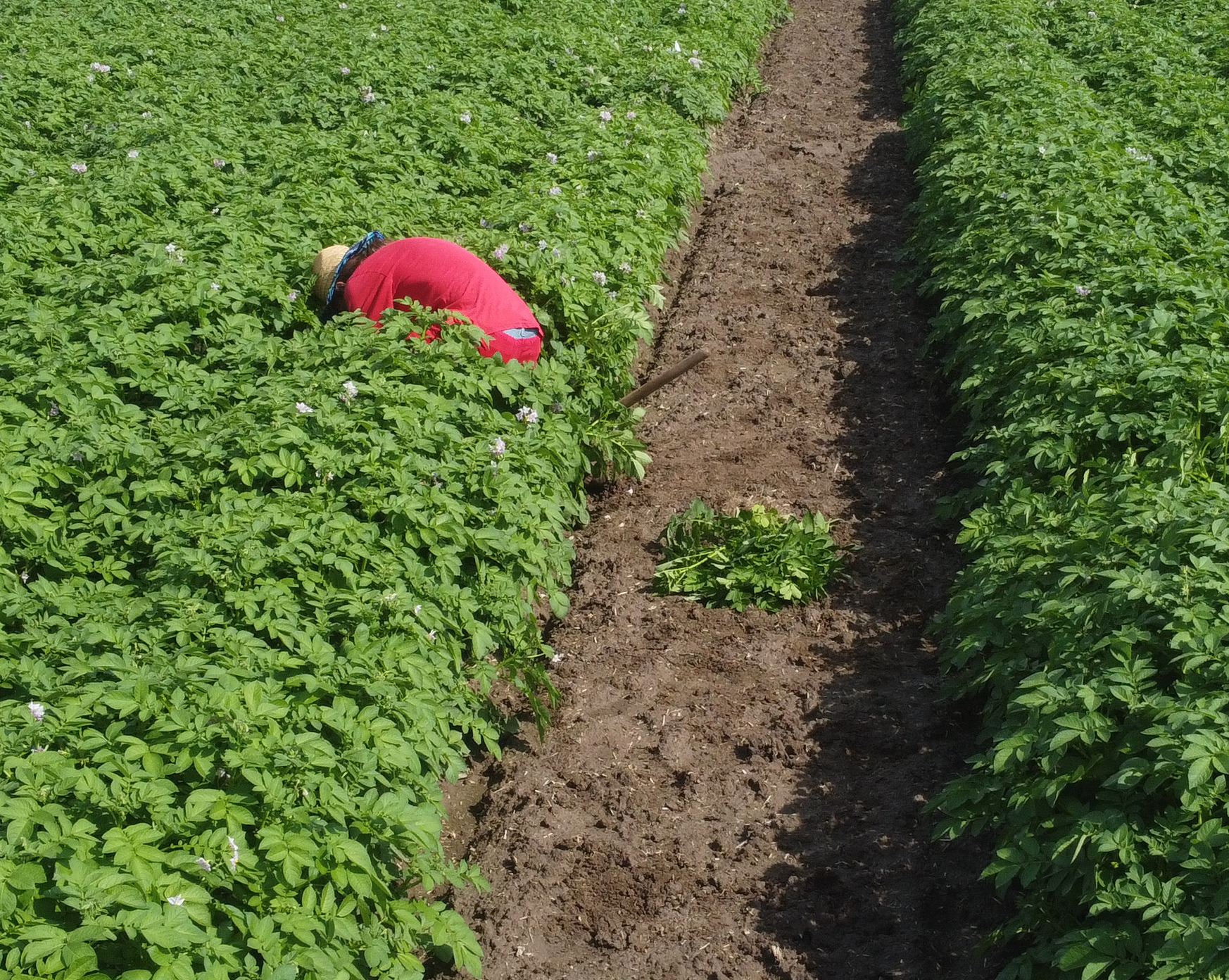
Eradication: Removing or reducing pathogen populations that are already present. (roguing, crop rotation, fumigation, and weeding).
Protection: Creating a barrier between the pathogen and the host (planting whole tubers, using pesticides, irrigation practices)
Resistance: Utilization of potato varieties that are naturally bred to withstand or slow down specific pathogens.
Potato Nutrition and Food Security
We think growing potatoes is one of the most effective ways a home gardener can prioritize food security. Spinach, kale, broccoli, and celery...these are great for vitamins but lack the dense calories spuds provide. Potatoes can produce more food energy per unit of land than almost any other crops. The calorie density and portability of potatoes are partly responsible for some of the massive population booms and busts of the Industrial Revolution. Moreover, potatoes are nutritionally complete. They are rich in Vitamin C, Potassium, and Vitamin B6. Potatoes are climate resilient and are naturally designed for long term storage. Unlike tomatoes or lettuce, which must be consumed or preserved immediately, potatoes can last 8 months or more in storage, which makes them a staple for any gardener or homesteader thinking about food security.
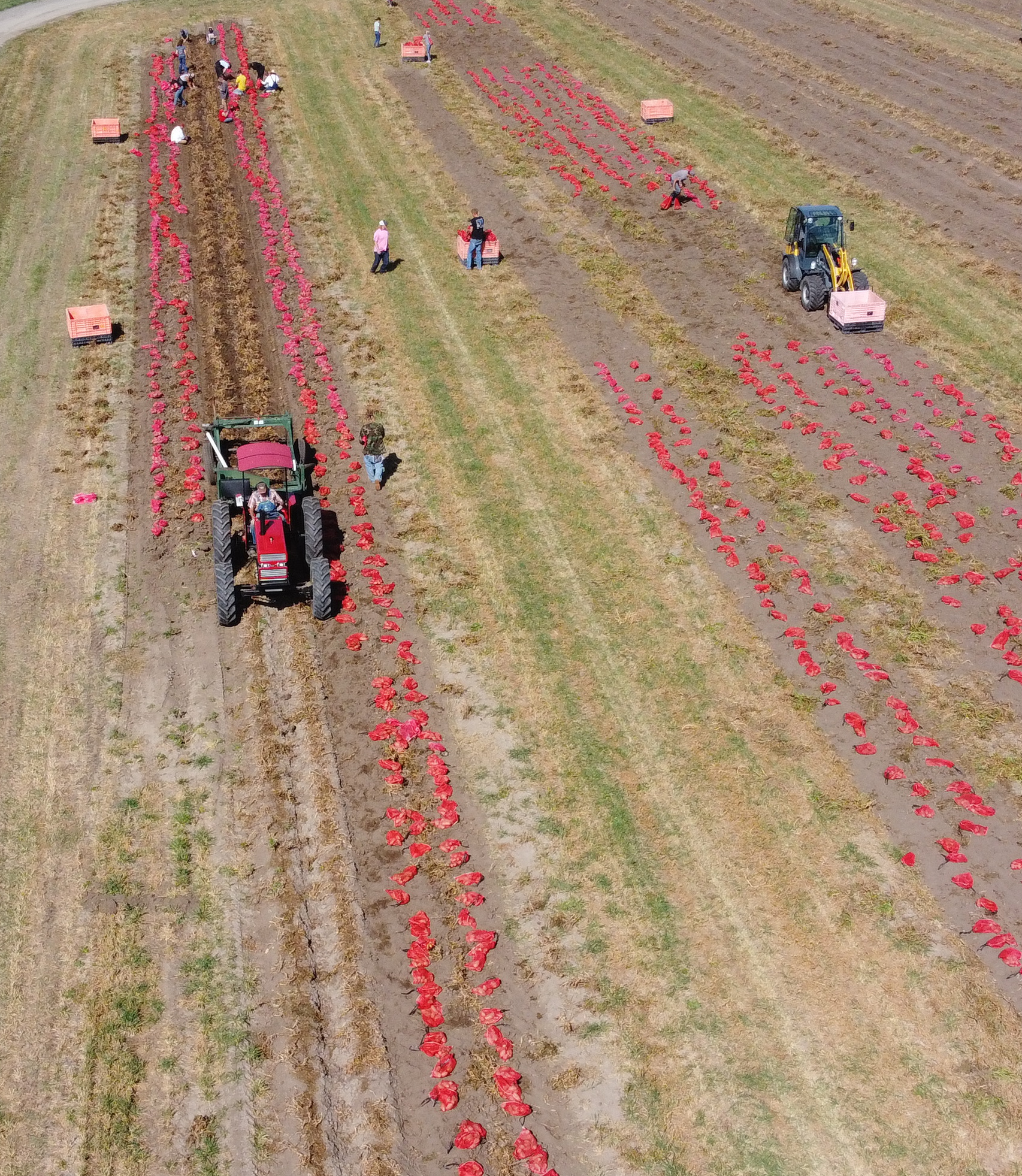
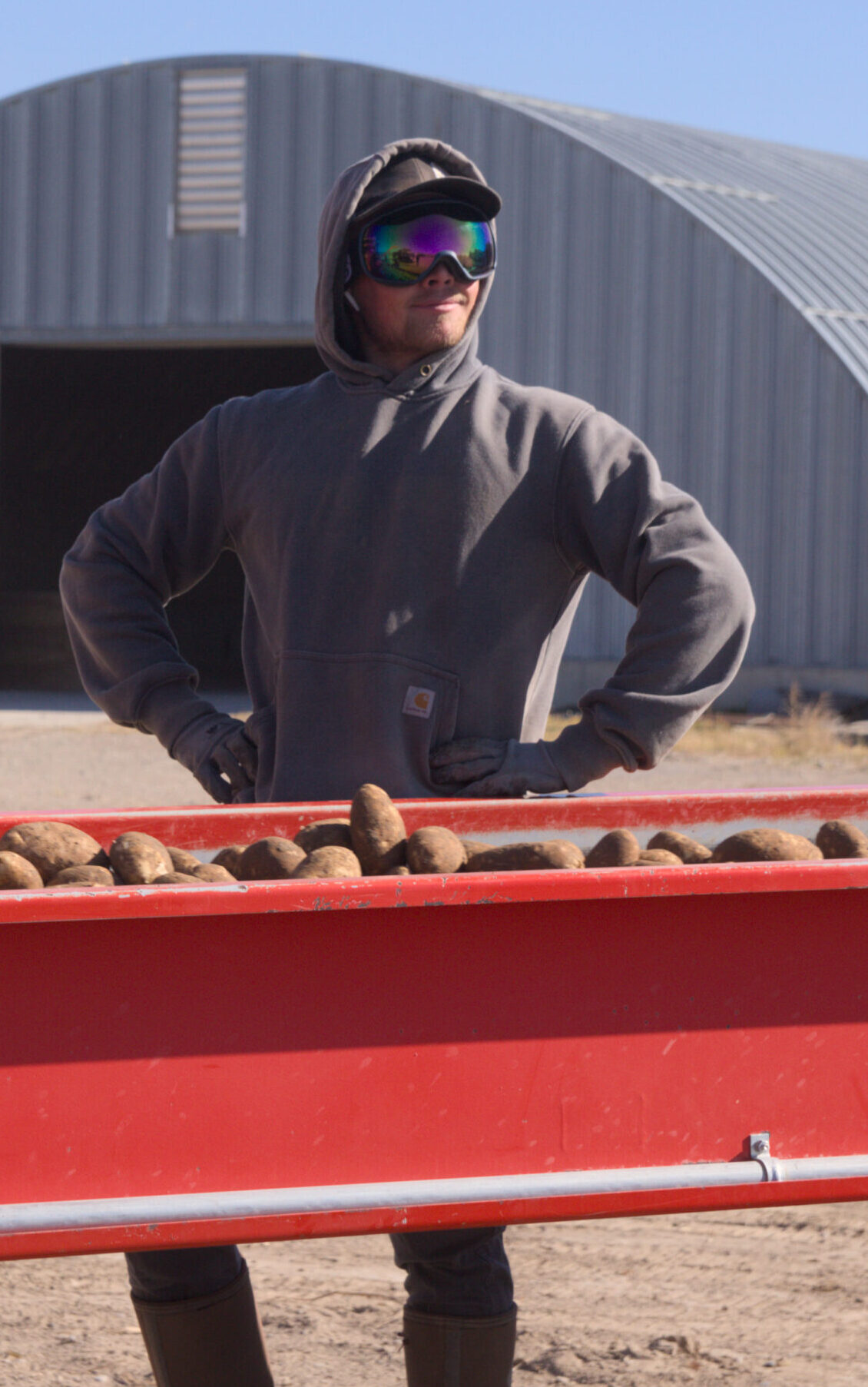
If you look at the macronutrient profile of a medium potato you get 110 calories and 26g of carbohydrates. Some of these carbohydrates are complex and some are resistant starches which is good for gut health and fiber supplementation. Potatoes also have 3 grams of high quality protein which contain all nine essential amino acids and 0g of fat. In terms of micro-nutrients, potatoes contain more potassium than bananas and are a great source of Vitamin C and B6. The skin of the potato is full of insoluble fiber, chlorogenic acid, carotenoids, and anthocyanins. Some potatoes cultivars like the Huckleberry Gold offer a lower glycemic index, providing all the benefits of a staple starch without the typical blood sugar spike. Growing potatoes in your garden can be a rewarding and nutritious food secure act.
STAGES OF POTATO GROWTH
What You Need To Know
Do NOT cut our tubers. And plant them soonish. ONLY tubers are edible. Leaves, stems, fruits,flowers, sprouts, roots... everything else is TOXIC.
Plant depth is 6 inches. In general, that is 3 inches below the soil line, with an additional 3 inches formed in a hill above the seed piece. Add the hill after potato plant peeps through the ground. Seed spacing suggestions are at least a 12 to 16 inch separation. I would space rows at least 2.5 feet... preferably 3 feet.
Temperature: anything lower or equal to 28 degrees is catastrophic for spuds. Hot days and cold nights are preferred by potatoes. Do NOT overwater—especially early. Do NOT over apply Nitrogen—especially early.
For questions of yield, we scale up thing in terms of ~15 tubers for each one planted in the field. If it's humid and cloudy—watch out for Late Blight also known as phytophthora infestans—disease culprit of the Irish Potato Famine of the 1840's. Colorado Potato Beetle is another nasty garden pest to look out for.
If you intend to store for a long time; kill the vines, and let the skins mature on the tuber, underground. Remember, only eat the tubers. Leaves, stems, fruits, flowers.... everything else is toxic. Do not ingest green tubers either...Solanine is the toxic glycoalkaloid produced by many plants in the Nightshade family. If you have any questions after reading this, my email is Jpotatoseed@gmail.com. Good luck with your potato farming.
Potato Information and Cultivar Selection
The binomial name of potatoes is Solanum tuberosum. Potato belongs to the nightshade family Solanceae and are related to tomatoes, eggplants, peppers, tobacco, and plenty of other flowering annuals and perennials. The nightshades all share a similar inflorescence or flower structure with five petals, sepals, and stamen. Nevertheless, the genus of Solanum has evolved into over 4000 cultivars in a kaleidoscope of shapes, sizes, and colors. Some potatoes are ancient landraces, some are heirloom/public varieties, and other cultivars are owned by universities, corporations, and people. These privately owned cultivars are granted plant protections and have rights regarding their sale and use.
A potato tuber is a modified stem, full of chemical energy in the form of carbohydrates, that contains the internal and external structures for replication. The function of the tuber is reproduction. Once the tuber starts to sprout these energy reserves are mobilized to drive plant growth. The skin protects the tuber from moisture loss and invasion by some pathogens.
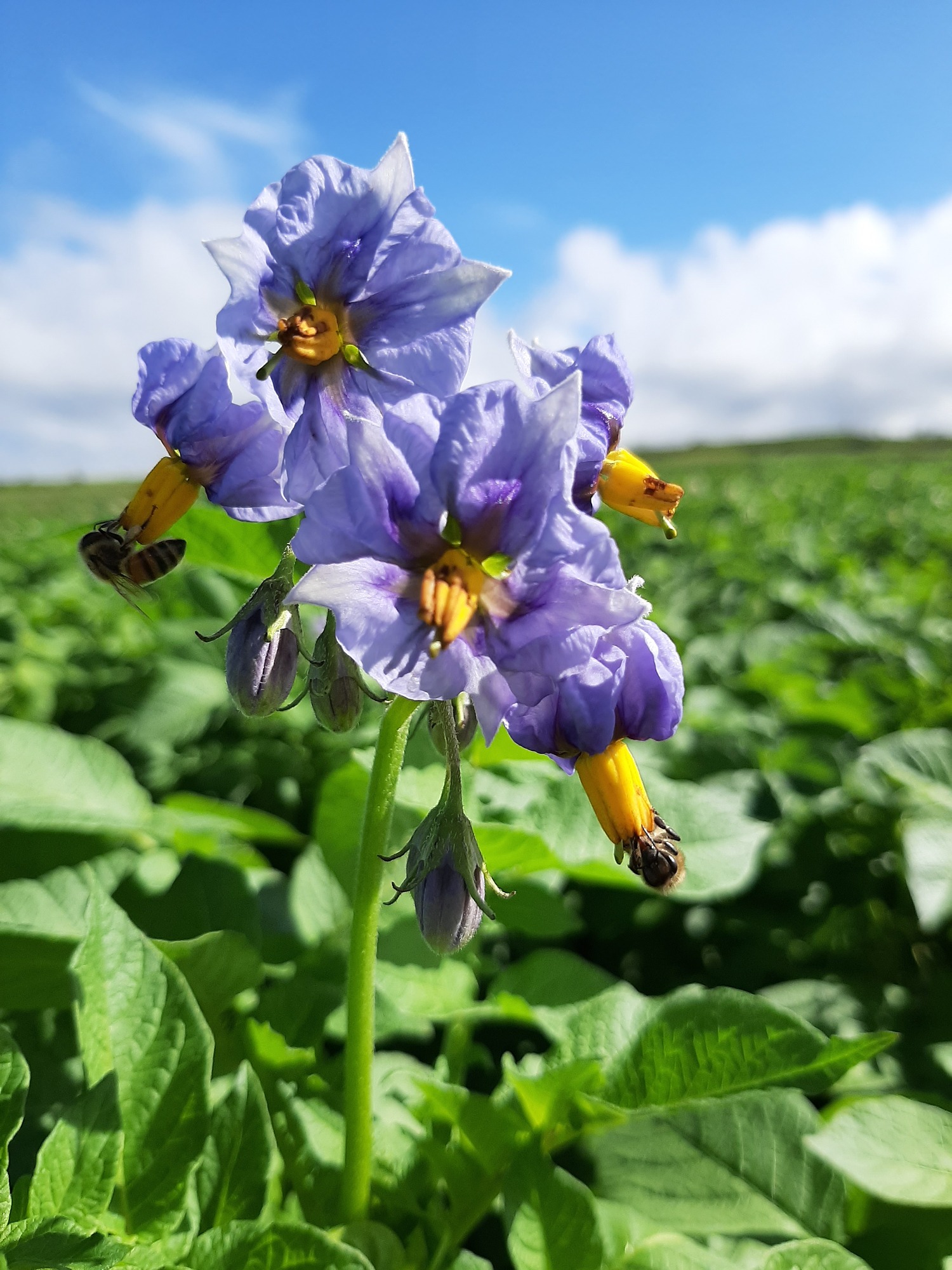
Tubers have a distinct top and bottom. We refer to the bottom as the stem end where the potato was once attached to the mother plant via the stolon. This bottom end is where the dormancy hormones of the potato are stored. The top of the potato is easy to identify when the potato starts to sprout. This top or bud end of the spud sprouts heavily compared to the bottom. Different cultivars have different sprouts, distribution of eyes, shapes, sizes, and colors; but again, all share the same structure and morphology.
Potatoes varieties can range from short to full season and have a wide variety of culinary uses. Culinary use is strongly determined by the texture and composition of the tuber flesh—NOT color. Cultivars that are high in starch content, or dry matter, are mealy, tend to bake with a fluffy texture and make excellent fries and chips due to low oil absorption and generally light color. Our Burbank and Alturas match this culinary profile. Snowden makes the best potato chips, maybe not the best mashed potatoes. Tubers with a waxy texture are lower in starch content and specific gravity, and frequently higher in sugar content. These cultivars hold together better during boiling and are preferred for salads, soups and stews. Our Dark Red Norland and Purple Fingerling are bold stand outs in these culinary categories.
In our years of potato production, we came across an informative metaphor in the textbook Potato Production Systems edited by Stark, Thorton, and Nolte. They find it helpful to frame our thinking of the potato as a type of starch factory. The factory takes inputs (water, nutrients, and carbon dioxide) and uses energy (sunlight) to turn them in to a product (potato tubers that are primarily starch), while releasing oxygen and water as byproducts. The keys to making this “factory” productive are to build the factory as quickly as possible, keep it running as efficiently and as long as possible, and then package the product for shipment when the factory shuts down.
BUILDING THE FACTORY...
First things first, if you are not intending on building your spud factory within a week, you ought to keep your seed in a cool, dark, and dry place. I suggest the refrigerator. All of our potatoes are chitted or woken up from dormancy. Moreover, we only sell single drop seed tubers or European style seed. Lots of growers seek out single drop seed because it gives a grower the best chance at a healthy plant, free of disease.
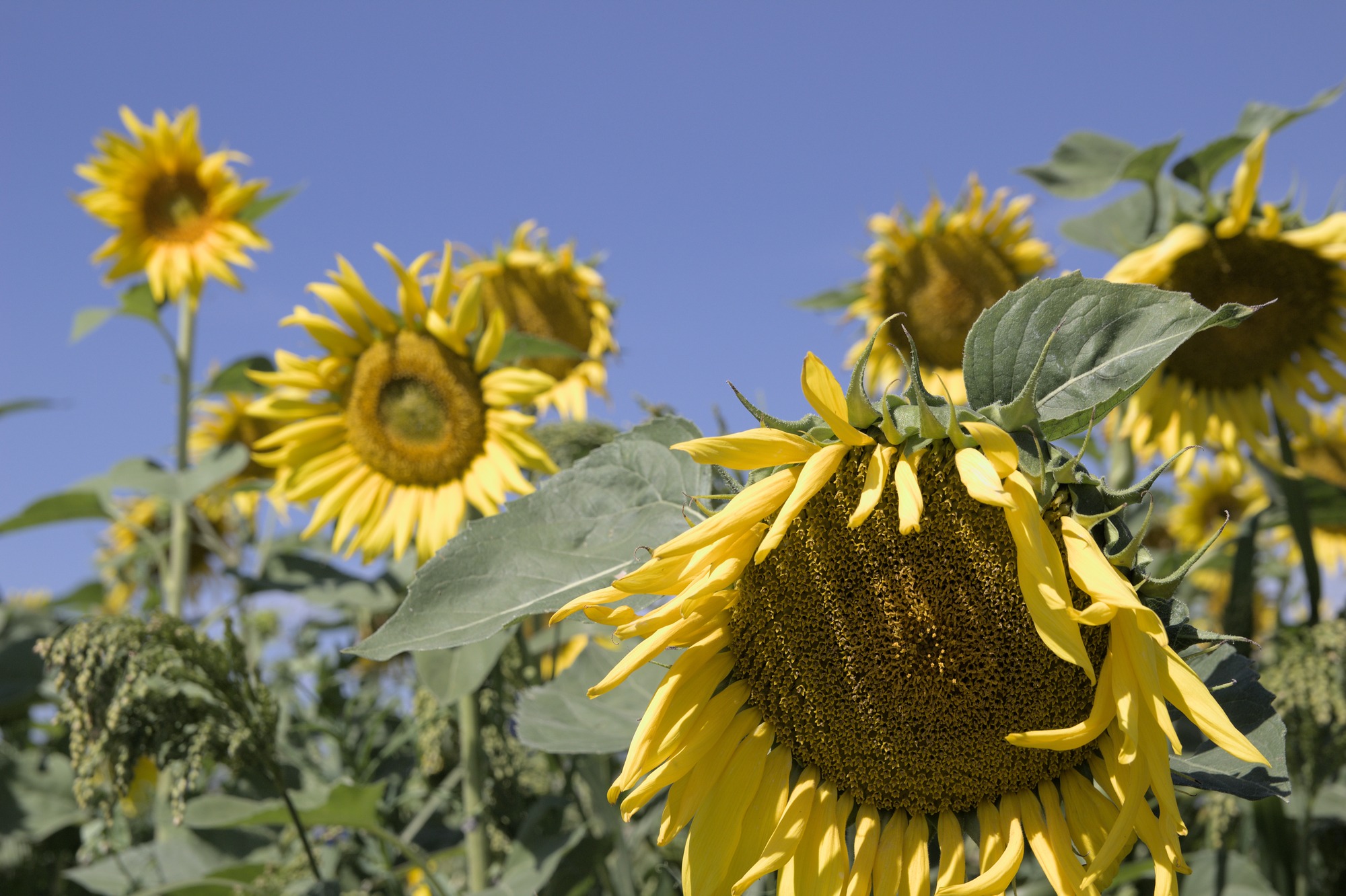
These plants don't like potato factories, their presence risks disease or nutritional problems: carrots, cucumbers, eggplant, onions, peppers, pumpkins, squash, sunflowers, tomatoes, and turnips.
It's best to not follow potato on potato when planting--rotate areas. Potatoes extract lots of nutrients from the soil and most growers rotate at least a year before growing spuds in the same location. As for soil, you want at least 8 inches of something light, loose, and well-drained. Friable soil means easily crumbled and its ideal. Rocks and dirt clods are not ideal. Heavy soil tends to keep the potatoes closer to the roots and you are more likely to get miss shaped and deformed spuds. You don't want to plant hot seed in cold soil or cold seed in hot soil. It will sweat, and moisture is not are friend when breaking ground on the factory. As for nutrients and fertility, anything branded for tomatoes works well with potatoes. I'd incorporate fertilizer when preparing the soil for planting. And when your potato plants begin to flower they start to produce tubers on the ends of the stolons. This is when nutrient and water uptake will be critical for your plant.
RUNNING THE FACTORY...
Keep these potatoes watered. They need at least 1 inch of water a week. When it gets hot, water more. After they flower, water more. If you have sandy soil, water, water, water. If you water too much it can negatively affect the roots and spuds and make your plant susceptible to rot and breakdown. So don't overdo it. As the potato plant grows it is suggested to add soil to the top of your row or container. This will improve soil drainage and keep your tubers from becoming water logged. It also keeps the sun off your new tubers. Flowering denotes your potatoes are putting on tubers. This is when nutrient and water uptake is key. Most farmers at this point are scouting for diseases that threaten starch factory production. But we aren't worried, we didn't cut our factory in half and we bought Montana certified potatoes, seed borne diseases aren't a threat to this factory.
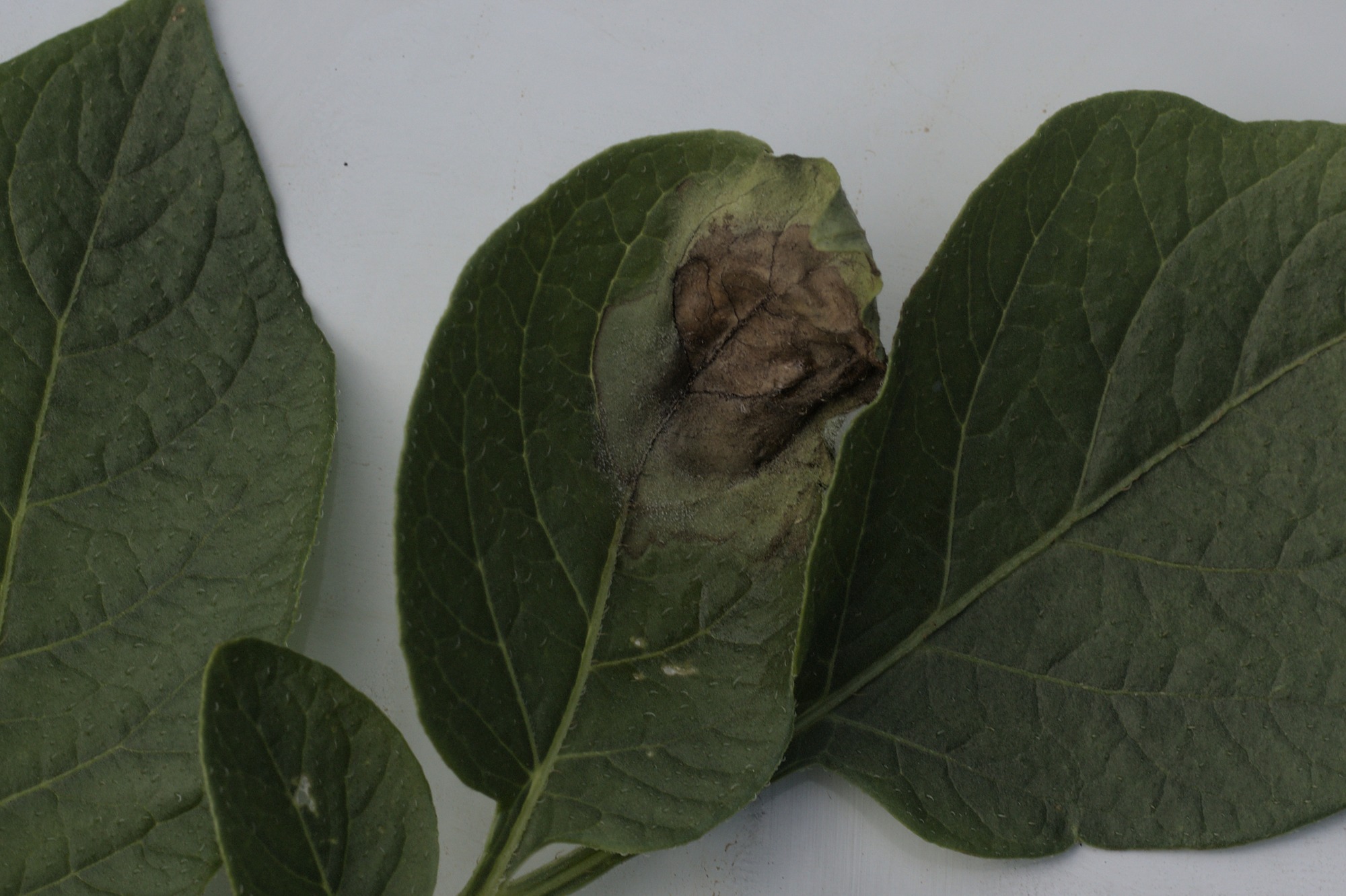
Let's examine what probably is still a risk... late blight and insect pests. If you live in a humid cloudy area be on the lookout for Phytophthora Infestans. It will appear on the potato leaves as a brownish/gray lesion that usually crosses the veins of the potato leaflet. Moreover, you can sometimes see a light green halo that surrounds the infection. The underside of the leaf will sporulate. Bad bad stuff.
As for insects, lacewings, ladybugs, damsel bugs, and most spiders are potato factories best friends. They eat mites, aphids, and the larvae of Colorado Potato Beetle which are not good for starch factory production.
Potatoes are susceptible to: Potato Virus Y, Potato Leafroll Virus, Alfalfa Mosaic Virus, Tomato Spotted Wilt Virus, Bacterial Ring Rot, Blackleg, Powdery Scab, Late Blight, Early Blight, Verticillium Wilt... and these are just the seed born diseases. We haven't even unpacked how dirty soil can be.
CULTIVATING THE FACTORY...
You can “harvest” the baby spuds while your factory is running. But be careful not to harm the mother plant. If you are planning on storing your potatoes two important tenets of advice. Stop watering as heavy the last week, let your potatoes size. Second, you should kill the vines and wait 10 days before harvest to let the skins thicken and cure. Store in a cool, dark, and dry place. Check for problems often. Rotting potatoes are one of the nastiest smells. Breakdown in harvest can get out of control if rotting potatoes are allowed to fester on healthy ones. Red, purple, yellow and white skinned potatoes tend to have thinner skins and are harder to store than some of the Russet cultivars—Burbank is the best.